
Maker’s Market Prep: How I Get My Finished Work Ready for Spring & Summer Shows
Share
Spring and early summer kick off one of my favorite parts of the year: maker’s market season. It’s when the shop comes alive with color, texture, and the smell of freshly sanded wood. It’s also when I shift from casting and blank prep into full‑on finishing mode — turning pens, shaping bowls, sanding boards, and getting every piece ready to meet customers in person.
If you’ve ever wondered what goes into prepping a booth full of handcrafted items, here’s a behind‑the‑scenes look at how I get Cross Cut Creations ready for market season.
🌟 Why Finished Goods Shine at Maker’s Markets
Finished pieces have a special kind of magic at in‑person events. Customers can:
-
Feel the weight of a pen
-
Run their hands across a silky‑smooth cutting board
-
See the depth of resin in a bowl
-
Imagine a charcuterie board on their table
-
Pick up a coaster set and instantly picture it as a gift
Handcrafted items tell a story — and markets give you the chance to tell it directly.
🧰 What I Bring to Every Market
My booth is built around a curated mix of handcrafted pieces that appeal to a wide range of shoppers. Here’s what usually makes the cut:
-
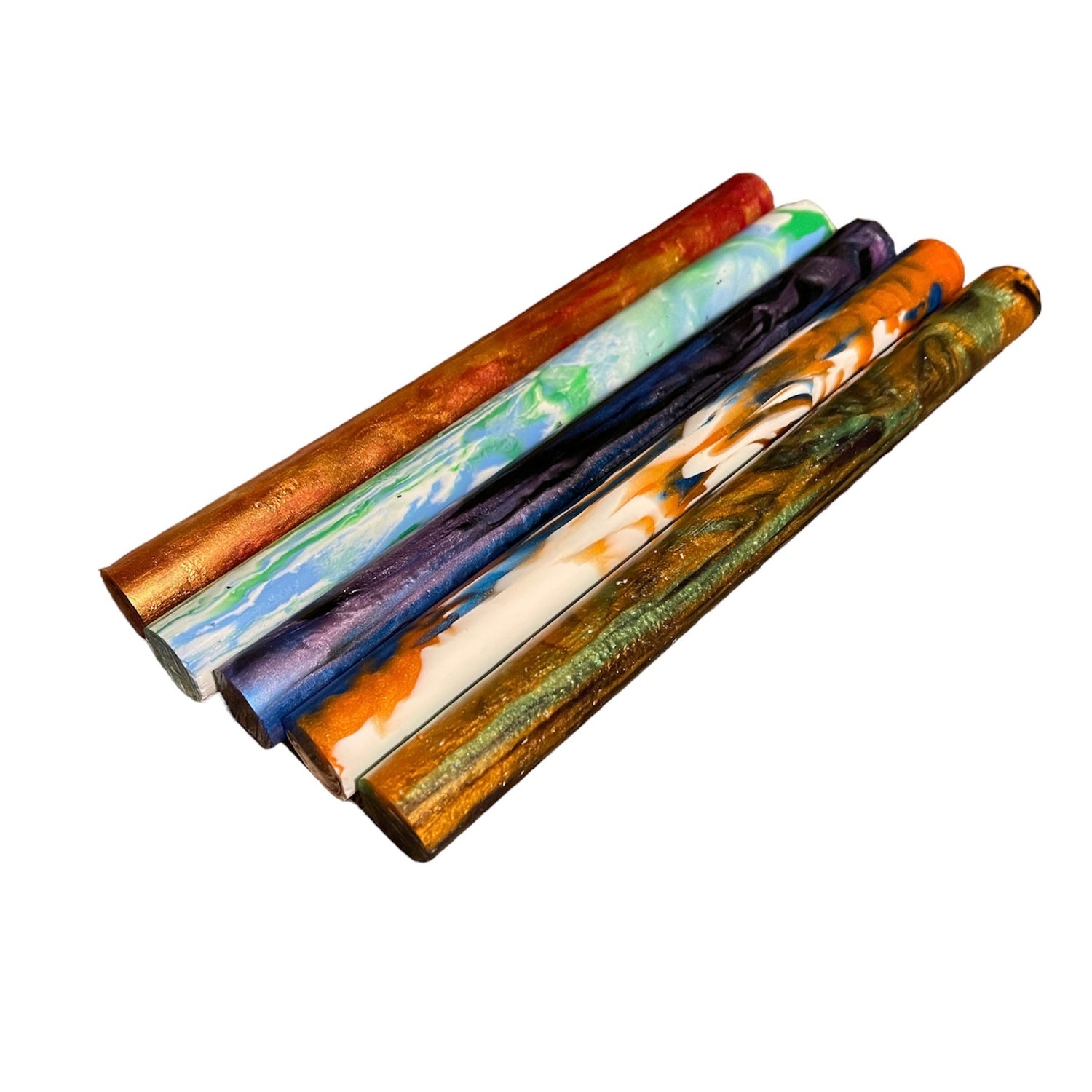
Hand‑turned pens — classic, elegant, and endlessly giftable
-
Cutting boards — walnut, maple, mixed hardwoods, and resin‑accented designs
-
Charcuterie boards — crowd‑pleasers for weddings, housewarmings, and summer parties
-
Coaster sets — small, affordable, and perfect for impulse buys
-
Turned bowls — each one unique, with natural grain that draws people in
-
Small turned items — bottle stoppers, keychains, desk pieces, and other giftables
These items give customers a range of price points and styles — which is key for a successful booth.
🔨 How I Prep My Finished Inventory
Finished goods require a different kind of prep than blanks. Here’s how I break it down.
1. Sanding & Surface Prep
Every piece gets a full sanding progression to ensure a buttery‑smooth finish. Boards and bowls get extra attention to edges and curves.
2. Finishing
Depending on the item, I use:
-
Food‑safe oils for boards
-
Hard‑wax finishes for bowls
-
Durable topcoats for pens and small items
The goal is always the same: a finish that feels good in the hand and holds up over time.
3. Branding
I add my signature to bowls and other items get accompanied by a business card. I have plans to laser my logo into future finished pieces.
4. Packaging
Presentation matters. I use:
-
Pen sleeves or boxes
-
Kraft paper wraps for boards
-
Tags with wood species and care instructions
-
Small bundles for coaster sets
🏷️ Pricing & Labeling
Clear, consistent labeling helps customers shop confidently. My tags typically include:
-
Wood species
-
Resin details (if applicable)
-
Finish type
-
Price
-
Care instructions
This reduces questions and increases sales — especially during busy moments.
🛒 Booth Setup That Works
A well‑designed booth helps your work shine. I focus on:
-
Vertical displays for boards
-
Tiered risers for bowls
-
Pen stands to showcase turned pieces
-
A clean, neutral tablecloth to let the wood and resin pop
-
Good lighting (especially indoors)
Pro tip
Put your most visually striking pieces — like a resin‑accented board or a high‑figure bowl — at eye level. They act as magnets.
💳 Payments, Packaging & Logistics
The behind‑the‑scenes essentials that keep everything running smoothly:
-
Credit Card Reader + backup
-
Extra charging cables
-
Business cards
-
Bags and tissue paper
-
Bubble wrap for bowls
-
A cash box with small bills
-
A notebook for custom order inquiries
🤝 Connecting With Customers
Finished goods open the door to great conversations. I make a point to:
-
Share the story behind the wood
-
Explain how a board is made and finished
-
Let customers feel the difference between species
-
Offer care tips
-
Suggest gift pairings (e.g., board + coaster set)
These interactions turn browsers into buyers — and buyers into repeat customers.
📅 Final Week Checklist
Before every market, I run through this list:
-
[ ] Inventory counted and packed
-
[ ] All pieces cleaned and buffed
-
[ ] Prices double‑checked
-
[ ] Booth layout tested
-
[ ] Payment system charged
-
[ ] Weather checked
-
[ ] Tablecloths + risers packed
-
[ ] Packaging stocked
-
[ ] Water + snacks (non‑negotiable)
🎉 Final Thoughts
Maker’s markets are where handcrafted work truly comes alive. Whether it’s a walnut cutting board, a shimmering resin‑rimmed bowl, or a pen that feels just right in the hand, finished pieces invite people to slow down, touch, feel, and connect.
If you’re prepping for your own market season, I hope this look into my process helps you feel more organized, inspired, and ready to show off your craft.